
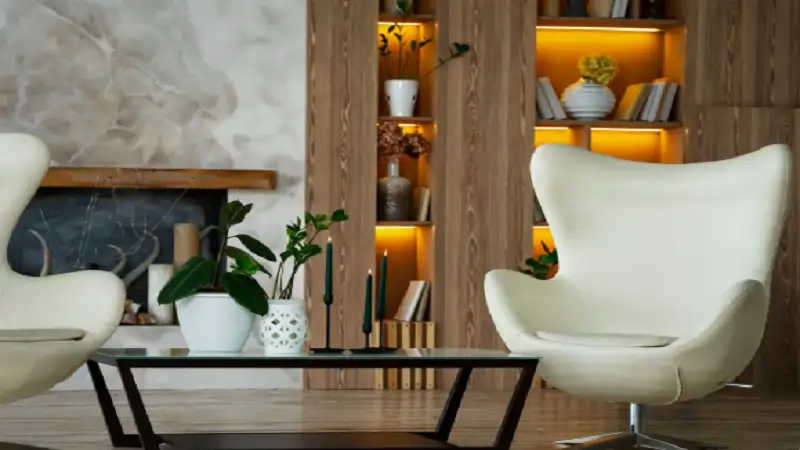
Creating a comfortable and attractive home is not about following expensive trends or copying luxury spaces. It is about understanding how people live, move, and feel within a space. The concept of interior design drhomey focuses on simplicity, balance, and practical beauty, helping homeowners create interiors that are welcoming, functional, and easy to maintain. This article explains the foundations of good interior design, practical guidelines, and how thoughtful choices can transform any living space into a place that truly feels like home.
Understanding Interior Design
Interior design is the art and science of enhancing the interior of a building to create a healthier and more pleasant environment for the people who use it. It combines creativity with planning, taking into account space, lighting, furniture, colors, and textures. A well-designed interior supports daily activities while also reflecting personal taste.
Good interior design is not only about visual appeal. It also considers comfort, safety, and usability. For example, a beautifully decorated room that feels cramped or poorly lit will not function well. Successful design finds the balance between aesthetics and purpose.
The Core Principles of interior design drhomey
At the heart of this approach are principles that guide every design decision. These principles help maintain harmony and ensure that each element works together.
Balance
Balance refers to the visual weight of objects in a room. It can be symmetrical, asymmetrical, or radial. Symmetrical balance creates a calm and formal feel, while asymmetrical balance feels more relaxed and modern. Choosing the right type depends on the mood you want to create.
Proportion and Scale
Furniture and décor should match the size of the room. Oversized furniture in a small space can feel overwhelming, while tiny pieces in a large room may look lost. Proportion helps maintain comfort and visual flow.
Harmony and Unity
Harmony is achieved when all elements in a room feel connected. This can be done through consistent color palettes, materials, or design styles. Unity creates a sense of completeness and makes a space feel intentional rather than random.
Functionality
Every room should serve its purpose effectively. A living room should encourage relaxation and conversation, while a kitchen should support efficient movement and storage. Function should always guide design choices.
Space Planning and Layout
Space planning is the foundation of any successful interior. It involves arranging furniture and objects to allow easy movement and clear pathways. Before purchasing furniture, it is essential to measure the room and consider how the space will be utilized.
Open layouts can make small homes feel larger, while defined zones help organize activities in larger spaces. Thoughtful layout planning prevents clutter and ensures that each area has a clear purpose.
Color and Mood
Color has a powerful effect on mood and perception. Light colors can make rooms feel larger and brighter, while darker shades create warmth and intimacy. Neutral tones provide flexibility and timeless appeal, making it easier to change décor over time.
Choosing a color scheme should consider natural light, room size, and personal preference. Using one main color with complementary accents often creates a balanced and pleasing result.
Lighting as a Design Tool
Lighting is more than just illumination. It shapes how a space feels and functions. Good lighting design includes three main types:
-
Ambient lighting for overall brightness
-
Task lighting for specific activities like reading or cooking
-
Accent lighting to highlight features or décor
Layering these types creates depth and allows flexibility throughout the day. Natural light should also be maximized whenever possible.
Furniture Selection and Arrangement
Furniture should support both comfort and style. When selecting pieces, quality and practicality matter more than quantity. Multifunctional furniture, such as storage beds or extendable tables, is especially useful in smaller homes.
Arrangement is just as important as selection. Furniture should encourage conversation, allow easy movement, and avoid blocking light sources. Thoughtful placement can make even simple furniture look elegant.
Textures and Materials
Textures add richness and interest to interiors. Mixing materials like wood, fabric, metal, and glass creates contrast and warmth. Soft textures can make a room feel cozy, while smooth surfaces add a modern touch.
Using a variety of textures helps prevent a space from feeling flat or dull. Even neutral rooms can feel inviting when textures are layered carefully.
Practical Guidelines for Everyday Homes
A successful interior does not need to be complex. The following guidelines help maintain simplicity and comfort:
-
Keep spaces uncluttered and organized
-
Choose durable materials for high-use areas
-
Prioritize comfort over decoration
-
Allow rooms to evolve over time
-
Reflect personal lifestyle and habits
These guidelines support a home that is easy to live in and enjoyable every day.
Sustainability and Mindful Choices
Modern interior design increasingly values sustainability. Choosing long-lasting materials, energy-efficient lighting, and responsibly sourced furniture reduces environmental impact. Reusing and repurposing items also adds character while minimizing waste.
A thoughtful approach to consumption supports both the environment and long-term satisfaction with your home.
Creating a Personal Connection
A well-designed interior should tell a story about the people who live there. Personal items, artwork, and meaningful objects add character and warmth. These details make a space feel authentic and emotionally comforting.
Design is most successful when it supports real life rather than trying to impress others. Comfort, familiarity, and ease should always come first.
The Role of interior design drhomey in Modern Living
In today’s fast-paced world, homes serve multiple purposes, from relaxation to work and socializing. The approach of interior design drhomey supports adaptable spaces that respond to changing needs. It values calm environments, practical layouts, and timeless choices over short-lived trends.
This philosophy encourages people to invest in design decisions that improve daily life rather than focusing solely on appearance.
Common Mistakes to Avoid
Even with good intentions, some mistakes can affect the overall outcome:
-
Ignoring measurements before buying furniture
-
Overusing trends that quickly become outdated
-
Poor lighting choices
-
Lack of storage solutions
-
Choosing style over comfort
Being aware of these issues helps prevent costly changes later.
Conclusion
Interior design is a powerful tool that shapes how we live and feel in our homes. By focusing on balance, functionality, and personal comfort, anyone can create a space that feels welcoming and practical. The principles behind interior design drhomey remind us that a well-designed home is not about perfection, but about creating an environment that supports everyday life with ease and warmth.