
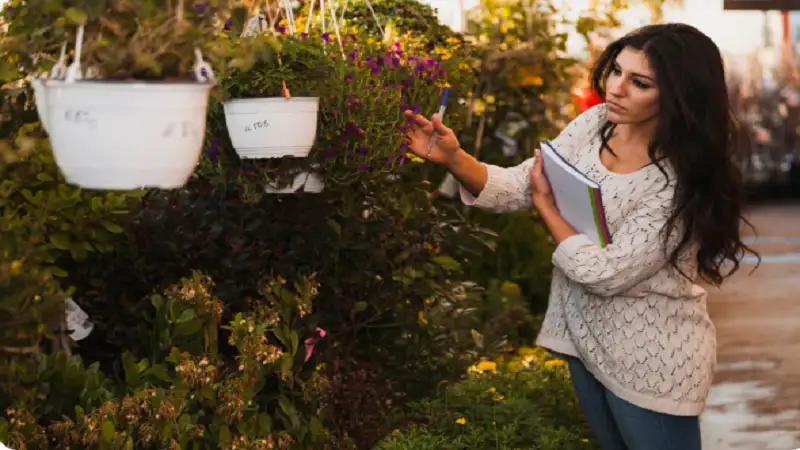
Gardening is more than planting flowers or trimming hedges; it is about creating a healthy, balanced outdoor space that supports plants, people, and local ecosystems. A well-maintained garden improves air quality, reduces stress, and adds long-term value to a property. This article is designed as a simple and informative resource to help homeowners, tenants, and beginners understand the essentials of good garden care. Using clear steps and practical guidance, this appcyard garden guide by activepropertycare focuses on planning, soil health, plant selection, watering, maintenance, and sustainable practices that can be applied to almost any garden size.
Understanding Your Garden Space
Before any planting or landscaping begins, it is important to understand the space you are working with.
Assess Sunlight and Shade
Observe how sunlight moves across your garden during the day. Some areas may receive full sun, while others remain shaded for long periods. This information helps you choose plants that will naturally thrive rather than struggle.
Know Your Climate
Local climate affects what plants can grow successfully. Temperature ranges, rainfall patterns, and seasonal changes all influence plant health. Selecting plants suited to your climate reduces maintenance and water use.
Measure and Map the Area
Sketch a simple garden map. Note paths, walls, trees, and existing plants. Knowing the size and layout helps you plan planting zones, seating areas, or vegetable beds efficiently.
Soil: The Foundation of a Healthy Garden
Healthy soil is the backbone of any successful garden.
Test the Soil
Soil testing reveals pH levels and nutrient content. Most plants prefer slightly acidic to neutral soil, but some require specific conditions. Testing helps avoid guesswork.
Improve Soil Quality
Add organic matter such as compost or well-rotted manure to improve soil structure. Good soil holds moisture, drains well, and allows roots to grow freely.
Avoid Soil Compaction
Walking repeatedly on garden beds can compact soil, making it difficult for roots to breathe. Use designated paths or stepping stones to protect planting areas.
Planning Your Garden Layout
Good planning saves time and effort later.
Define Garden Zones
Divide your garden into zones such as lawns, flower beds, vegetable areas, and relaxation spaces. This makes maintenance easier and creates a balanced look.
Choose the Right Plants
Select plants based on sunlight, soil type, and water needs. Grouping plants with similar requirements helps simplify watering and care routines.
Think Long-Term
Consider how plants will grow over time. Leave enough space for mature sizes to prevent overcrowding and frequent pruning.
This planning stage reflects the core ideas shared in the appcyard garden guide by activepropertycare, emphasizing thoughtful design over quick fixes.
Planting Basics
Correct planting techniques support strong growth from the start.
Best Time to Plant
Most plants establish best during mild seasons such as spring or early autumn. Extreme heat or cold can stress new plants.
Proper Planting Depth
Planting too deep or too shallow can damage roots. Follow guidelines specific to each plant type to ensure healthy development.
Mulching
Mulch helps retain moisture, regulate soil temperature, and suppress weeds. Organic mulch also improves soil quality as it breaks down.
Watering Wisely
Water is essential, but overwatering can be as harmful as underwatering.
Water Deeply, Not Frequently
Deep watering encourages roots to grow deeper into the soil, making plants more resilient during dry periods.
Water at the Right Time
Early morning or late afternoon watering reduces evaporation and allows plants to absorb moisture effectively.
Use Efficient Methods
Drip irrigation, soaker hoses, or watering cans direct water to the roots and reduce waste. These methods support sustainable garden care.
Lawn Care Essentials
A healthy lawn complements the rest of the garden.
Mowing Practices
Avoid cutting grass too short. Taller grass shades the soil, reduces weed growth, and retains moisture better.
Feeding the Lawn
Use appropriate fertilizers during active growing seasons. Over-fertilizing can weaken grass and harm soil health.
Aeration
Aerating the lawn improves airflow, water absorption, and root growth, especially in high-traffic areas.
Pruning and Trimming
Regular pruning keeps plants healthy and attractive.
Why Pruning Matters
Removing dead or damaged branches improves air circulation and reduces the risk of disease.
Timing Is Key
Different plants require pruning at different times of the year. Research each plant type to avoid cutting off future blooms.
Use Clean Tools
Sharp, clean tools make precise cuts and prevent the spread of disease between plants.
These maintenance principles are consistent with the practical advice outlined in the appcyard garden guide by activepropertycare, focusing on steady, informed care.
Weed and Pest Management
Uncontrolled weeds and pests can quickly overwhelm a garden.
Prevent Weeds Naturally
Mulching and ground-cover plants help suppress weed growth without chemicals.
Identify Pests Early
Regularly inspect plants for signs of pests such as holes in leaves or discoloration. Early detection allows for simple solutions.
Use Eco-Friendly Solutions
Encourage beneficial insects, use natural repellents, and avoid harsh chemicals whenever possible to protect the garden ecosystem. Seasonal Garden Care
Gardens change throughout the year, and care routines should adapt accordingly.
Spring
Focus on planting, soil preparation, and fertilizing. This is the time for new growth and planning.
Summer
Prioritize watering, mulching, and pest control. Shade and moisture management are essential during hotter months.
Autumn
Prepare the garden for cooler weather by pruning, composting fallen leaves, and planting perennials.
Winter
Protect sensitive plants from frost, reduce watering, and use this quieter season for planning improvements.
Sustainable Gardening Practices
Sustainability benefits both the garden and the environment.
Composting
Composting kitchen and garden waste reduces landfill use and creates nutrient-rich soil.
Water Conservation
Collect rainwater and use drought-tolerant plants to reduce reliance on mains water.
Native Plants
Native plants are adapted to local conditions, require less maintenance, and support local wildlife.
Common Gardening Mistakes to Avoid
Even experienced gardeners make mistakes, but awareness helps prevent them.
-
Overwatering plants
-
Ignoring soil health
-
Planting without planning
-
Using too many chemicals
-
Neglecting regular maintenance
Avoiding these issues leads to a healthier, more manageable garden.
Conclusion
A well-cared-for garden is built on understanding, patience, and consistent effort. By focusing on soil health, thoughtful planning, proper watering, and sustainable practices, anyone can create an outdoor space that is both attractive and functional. This article has provided clear, practical steps to guide gardeners at any level. By following the principles shared throughout this appcyard garden guide by activepropertycare, you can develop a garden that grows stronger and more beautiful with each season, offering long-term enjoyment and environmental benefits. Read More