
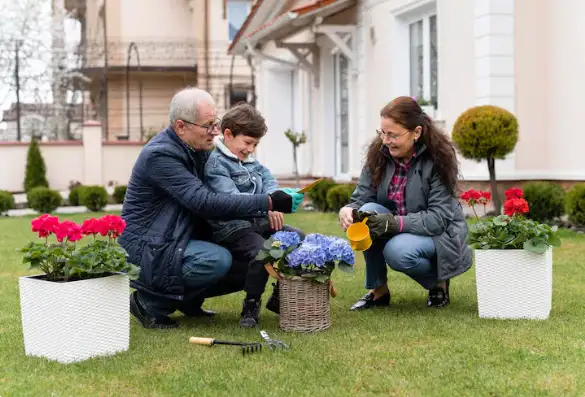
Creating a beautiful and functional yard does not require expert training or expensive tools. With thoughtful planning, basic knowledge, and consistent care, anyone can turn an outdoor space into a relaxing extension of the home. This article shares decadgarden yard tips by decoratoradvice to help beginners and homeowners design a yard that is practical, attractive, and easy to maintain. The focus is on simple methods, clear guidelines, and realistic steps that work for most climates and lifestyles.
Understanding Your Yard Space
Before planting or decorating, it is important to understand the space you are working with.
Observe Sun and Shade
Spend a few days noticing how sunlight moves across your yard. Some areas may receive full sun, while others stay shaded most of the day. This information helps you choose plants that will thrive rather than struggle.
Check Soil Type
Healthy soil is the foundation of any successful yard. Test whether your soil is sandy, clay-based, or loamy. Each type holds water differently and affects plant growth. Improving soil with compost is a simple and effective solution.
Measure the Area
Knowing the exact size of your yard helps you avoid overcrowding and allows for better planning. It also prevents buying more plants or materials than you need.
Planning a Balanced Yard Layout
A good layout makes a yard both attractive and functional.
Define Zones
Divide your yard into clear zones, such as:
-
A sitting or relaxation area
-
A garden or planting area
-
A pathway or open walking space
This approach brings structure and makes the yard feel organized rather than cluttered.
Keep Pathways Clear
Paths should be wide enough to walk comfortably and connect important areas. Gravel, stepping stones, or simple grass paths work well and require minimal upkeep.
Choosing the Right Plants
Plant selection plays a major role in yard success.
Native and Low-Maintenance Plants
Native plants are adapted to local weather and soil conditions, making them easier to care for. They often require less water and resist pests better than non-native species.
Mix Heights and Textures
Use a combination of tall plants, medium shrubs, and ground covers. This layering creates visual interest and helps the yard feel full without being crowded.
Seasonal Interest
Choose plants that bloom at different times of the year. This ensures your yard stays attractive across seasons, even when some plants are dormant.
Smart Watering Practices
Watering correctly saves time, money, and resources.
Water Deeply but Less Often
Deep watering encourages roots to grow stronger and deeper. It is better than frequent light watering, which can weaken plants.
Morning Watering
Water early in the morning to reduce evaporation and allow plants to absorb moisture before the heat of the day.
Mulching Benefits
Mulch helps retain soil moisture, reduce weeds, and regulate temperature. Organic mulch also improves soil quality over time.
Simple Yard Décor Ideas
Decorative elements add personality without overwhelming the space.
Use Natural Materials
Stone, wood, and clay blend well with outdoor environments. They create a calm and natural appearance.
Limit Decorations
Too many decorative items can make a yard feel crowded. Choose a few meaningful or functional pieces instead.
Lighting for Ambience
Soft outdoor lighting along pathways or seating areas improves safety and creates a warm atmosphere during evenings.
Hardscaping Basics
Hardscaping includes non-living features like patios, borders, and walls.
Start Small
You do not need large structures to make an impact. Simple borders or a small paved area can greatly improve yard usability.
Balance with Greenery
Hard surfaces should complement plants, not replace them. Balance is key to maintaining a natural look.
According to Decadgarden yard tips by decoratoradvice, combining plants with subtle hardscaping creates a yard that feels welcoming and easy to maintain.
Seasonal Yard Care Guidelines
Each season brings different needs for your yard.
Spring
-
Clean up debris
-
Prepare the soil and plant new growth
-
Prune damaged branches
Summer
-
Monitor watering
-
Control weeds
-
Trim plants to maintain shape
Fall
-
Remove fallen leaves
-
Add compost or mulch
-
Prepare plants for colder weather
Winter
-
Protect sensitive plants
-
Reduce watering
-
Plan improvements for the next year
Sustainable Yard Practices
Sustainability benefits both your yard and the environment.
Composting
Composting kitchen scraps and yard waste improves soil quality and reduces waste.
Rainwater Collection
Collecting rainwater for irrigation reduces water use and lowers utility costs.
Encourage Wildlife
Birds, bees, and beneficial insects help maintain a healthy ecosystem. Simple additions like bird feeders or native flowers can attract them.
Many homeowners apply decadgarden yard tips by decoratoradvice to create yards that are both attractive and environmentally responsible.
Common Yard Design Mistakes to Avoid
Learning what not to do is just as important.
Overcrowding Plants
Plants need space to grow. Overcrowding leads to poor airflow and disease.
Ignoring Maintenance Needs
Choose plants and designs that fit your available time. A low-maintenance yard is easier to enjoy.
Forgetting Function
A yard should suit your lifestyle. Always consider how you will use the space before finalizing the design.
Long-Term Yard Maintenance
Consistency keeps your yard looking its best.
Regular Inspections
Check plants for signs of stress, pests, or disease. Early action prevents bigger problems.
Pruning and Trimming
Proper pruning promotes healthy growth and keeps plants looking neat.
Refreshing the Design
Small updates, such as new plants or rearranged décor, can refresh your yard without major effort.
Following decadgarden yard tips by decoratoradvice over time helps maintain a yard that remains appealing and practical year after year.
Conclusion
A well-designed yard does not need to be complicated or expensive. By understanding your space, choosing the right plants, practicing smart watering, and maintaining a balance between décor and greenery, you can create an outdoor area that brings comfort and enjoyment. The key is thoughtful planning, steady care, and patience. With consistent effort and simple strategies, anyone can achieve a welcoming yard that reflects personal style and supports everyday living.