
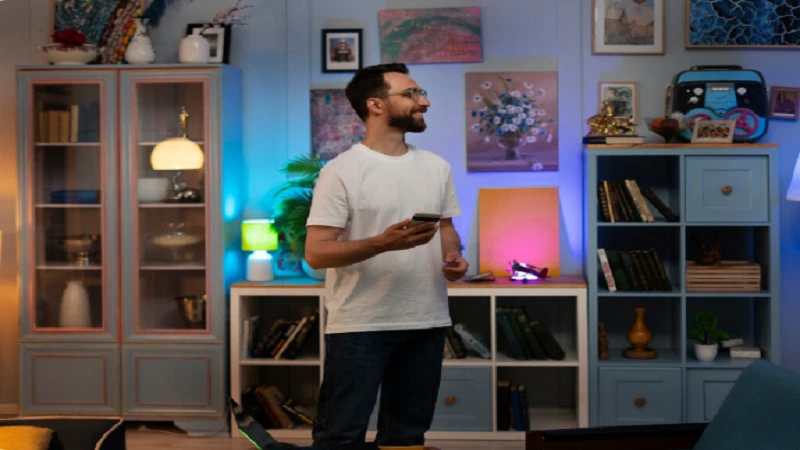
Smart homes are no longer a futuristic concept reserved for tech enthusiasts. Today, they are practical, accessible, and increasingly focused on comfort, efficiency, and style. A well-designed smart home blends technology seamlessly with interior design so that devices enhance daily life without overwhelming the space. The concept behind decoradtech smart home ideas by decoratoradvice is centered on balance: using technology thoughtfully to support how people live, relax, and move through their homes. This article explores simple, informative ideas and clear guidelines to help you understand how smart technology and décor can work together naturally.
Understanding Smart Home Design
Smart home design is not just about installing devices; it is about planning how technology fits into your lifestyle. A successful smart home considers layout, habits, and aesthetics at the same time. Instead of adding gadgets randomly, each device should have a purpose and a place.
Key Principles of Smart Design
-
Function first: Technology should solve a real problem, such as saving energy or improving comfort.
-
Visual harmony: Devices should blend with furniture, colors, and materials.
-
Ease of use: A smart home should feel intuitive for all household members.
-
Scalability: Start small and expand as needs grow.
By following these principles, smart homes feel calm and organized rather than cluttered.
Foundations of a Smart Home Setup
Before focusing on décor, it is important to understand the basic structure of a smart home. These foundations support all other design choices and help avoid confusion later.
A reliable internet connection, compatible devices, and a central control method are essential. Many people prefer using a single app or voice assistant to manage lighting, climate, and security. Planning these basics early makes it easier to apply decoradtech smart home ideas by decoratoradvice in a consistent way across the home.
Core Elements to Consider
-
Smart lighting systems
-
Climate control, such as smart thermostats
-
Security features, including cameras and sensors
-
Entertainment systems that integrate with décor
When these elements are chosen carefully, they enhance comfort without dominating the visual design.
Integrating Smart Lighting with Interior Style
Lighting is one of the easiest ways to introduce smart technology while improving the look of a home. Smart lighting allows control over brightness, color temperature, and schedules, all of which influence mood and functionality.
Design Guidelines for Smart Lighting
-
Use warm lighting in living rooms and bedrooms for relaxation.
-
Choose cooler tones in kitchens and workspaces for focus.
-
Hide smart bulbs inside decorative fixtures to maintain style.
-
Use automation for daily routines, such as dimming lights in the evening.
Smart lighting can be subtle, supporting the room’s purpose while highlighting décor elements like artwork or textured walls.
Smart Furniture and Hidden Technology
Modern smart homes often rely on furniture that conceals technology rather than displaying it. This approach keeps rooms feeling comfortable and uncluttered.
Examples of Smart Furniture
-
Coffee tables with wireless charging built in
-
Beds with adjustable settings and sleep tracking
-
Desks that manage cable organization and power outlets
These pieces allow technology to exist quietly in the background. Following decoradtech smart home ideas by decoratoradvice, the goal is to let furniture remain the visual focus while technology supports function.
Designing Room by Room
Each room in a home has a different purpose, and smart technology should reflect that. Instead of applying the same setup everywhere, adapt solutions to specific needs.
Living Room
The living room often serves as a shared space for relaxation and entertainment. Smart TVs, speakers, and lighting can work together to create a comfortable atmosphere. Keep devices discreet and coordinate colors with existing décor.
Kitchen
In the kitchen, smart appliances help with efficiency. Smart refrigerators, ovens, and voice-controlled assistants can make cooking easier. Choose finishes that match cabinets and countertops so technology feels integrated.
Bedroom
Bedrooms benefit from technology that promotes rest. Smart lighting schedules, climate control, and noise management can support better sleep. Minimal visible devices help maintain a peaceful environment.
Home Office
A smart home office focuses on productivity. Adjustable lighting, smart plugs, and climate control can improve focus while maintaining a clean, professional look.
Energy Efficiency and Sustainability
One of the strongest benefits of smart homes is improved energy efficiency. Technology can reduce waste while keeping homes comfortable.
Sustainable Smart Home Practices
-
Use smart thermostats to optimize heating and cooling.
-
Automate lighting to turn off when rooms are empty.
-
Monitor energy use through smart meters.
These practices support long-term savings and environmental responsibility. Applying decoradtech smart home ideas by decoratoradvice means choosing solutions that benefit both the household and the environment.
Privacy and Security Considerations
Smart homes must also protect personal data and physical safety. Design choices should include security planning from the start.
Security Guidelines
-
Place cameras discreetly but effectively.
-
Use smart locks that match door hardware styles.
-
Keep devices updated with strong passwords.
Security technology should feel reassuring, not intrusive. Thoughtful placement helps maintain comfort and trust within the home.
Keeping Technology Simple
One common mistake in smart home design is adding too much too quickly. Complexity can reduce enjoyment and usability.
Tips for Simplicity
-
Choose devices that work together smoothly.
-
Avoid overlapping features across multiple systems.
-
Focus on daily routines when selecting technology.
A simple setup is easier to manage and more likely to be used consistently.
Future-Proofing Your Smart Home
Technology evolves quickly, so flexibility is important. A well-designed smart home can adapt without major redesigns.
Planning for the Future
-
Use modular systems that allow upgrades.
-
Avoid hardwiring devices that may become outdated.
-
Choose neutral designs that remain visually appealing.
Future-proofing ensures that today’s choices remain useful and attractive tomorrow.
Common Mistakes to Avoid
Understanding common errors can help create a better smart home experience.
-
Ignoring design balance and focusing only on technology
-
Choosing devices without checking compatibility
-
Over-automating tasks that do not need automation
Awareness of these issues supports smarter decisions and a more comfortable home.
Conclusion
A smart home should feel like a natural extension of everyday life, not a collection of gadgets. By focusing on design, function, and simplicity, homeowners can create spaces that are efficient, comfortable, and visually pleasing. The ideas discussed show how technology can support daily routines while respecting personal style. When applied thoughtfully, decoradtech smart home ideas by decoratoradvice offer a practical approach to blending innovation with interior design, creating homes that are ready for both present needs and future possibilities.