
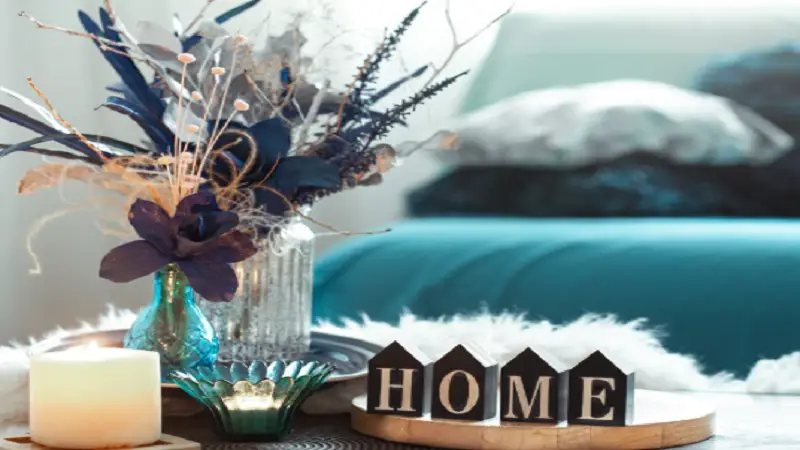
A beautiful home does not always require expensive furniture, professional interior designers, or major renovations. Sometimes, small changes can make a significant difference in how a living space looks and feels. From organizing everyday belongings to choosing suitable colors and improving lighting, simple home improvement ideas can help create a comfortable and attractive environment.
Every home has its own personality, and the best interior design choices are those that reflect the lifestyle and needs of the people living there. Whether someone lives in a small apartment, a spacious house, or a shared living space, practical decorating techniques can make everyday life easier.
Following mintpaldecor home hacks from myinteriorpalace can help homeowners understand how creativity, organization, and thoughtful decoration work together to improve different areas of a home. With a few affordable adjustments, it is possible to create a space that feels welcoming, functional, and visually balanced.
1. Start with a Clean and Organized Space
One of the easiest ways to improve a home is to begin with proper organization. Even an expensive interior can look unattractive when unnecessary items are scattered around.
Start by examining each room and identifying things that are no longer useful. Old magazines, broken accessories, unused containers, and unnecessary furniture can take up valuable space.
Consider these simple organization ideas:
- Remove unnecessary items from tables and countertops.
- Keep frequently used belongings within easy reach.
- Use baskets to organize smaller household products.
- Arrange books and decorative accessories neatly.
- Create a specific storage area for everyday essentials.
A clean environment makes rooms appear larger and creates a more relaxing atmosphere. Developing a small daily cleaning routine can also prevent clutter from building up over time.
2. Use Colors to Improve Your Interior
Color is an important part of interior decoration because it influences the overall appearance and atmosphere of a room. Choosing the right combination can make a space feel peaceful, energetic, warm, or refreshing.
Neutral colors such as white, beige, cream, and light gray are popular because they create a simple and timeless appearance. These shades also work well with different furniture styles.
For people who enjoy brighter interiors, adding small touches of green, blue, yellow, or terracotta can introduce personality without making the room look overwhelming.
Some useful color tips include:
- Choose two or three main colors for each room.
- Use lighter shades in smaller spaces.
- Add colorful cushions or curtains for contrast.
- Match decorative accessories with the existing color scheme.
- Avoid using too many competing colors.
The goal is to create a balanced appearance where every element complements the others.
3. Make Small Rooms Look More Spacious
Small rooms can become comfortable and attractive when their available space is used wisely. Good planning is more important than having a large amount of furniture.
Choose furniture that serves multiple purposes. For example, a storage bed can provide additional space for blankets, clothes, and other belongings. Foldable tables and compact chairs are also useful in smaller homes.
Mirrors are another effective decorating option. Placing a mirror opposite a window can help reflect natural light and make a room appear brighter.
Other practical ideas include:
- Keep pathways clear.
- Use wall-mounted shelves instead of large cabinets.
- Select furniture with simple designs.
- Avoid covering every wall with decorations.
- Choose curtains that allow sufficient natural light.
These adjustments can make even a compact room feel more open and comfortable.
4. Improve Lighting for a Better Atmosphere
Lighting can completely change the appearance of an interior. A room with suitable lighting often feels more welcoming and functional than one with poor illumination.
Natural light should be used whenever possible. Keep windows clean, avoid blocking them with heavy furniture, and choose curtains that allow daylight to enter.
Artificial lighting is equally important, especially during the evening. Different types of lighting serve different purposes.
Ambient lighting: Provides general illumination throughout the room.
Task lighting: Helps with activities such as reading, cooking, studying, or working.
Accent lighting: Highlights decorative objects, artwork, shelves, or architectural details.
Combining these lighting types can create a balanced environment. Warm lighting is often suitable for bedrooms and relaxing areas, while brighter lighting can be useful in kitchens and workspaces.
5. Add Indoor Plants for a Fresh Look
Indoor plants are a simple way to introduce natural beauty into a home. They add color, improve visual interest, and can make ordinary spaces feel more lively.
Plants such as pothos, snake plants, spider plants, and peace lilies are popular indoor choices. However, the right plant depends on the amount of sunlight, available space, and maintenance requirements.
Place small plants on shelves, tables, or window areas. Larger plants can be positioned in empty corners to create an attractive focal point.
Remember to consider the following:
- Check the sunlight requirements of each plant.
- Avoid watering plants more frequently than necessary.
- Choose suitable pots with drainage.
- Remove dry or damaged leaves.
- Keep potentially toxic plants away from pets and children.
Even one or two carefully selected plants can make a noticeable difference.
6. Refresh Old Furniture Instead of Replacing It
Buying new furniture can be expensive, but existing pieces can often be improved with simple changes. Reusing and refreshing furniture is also a practical way to reduce household waste.
An old wooden table can look different after sanding and repainting. A worn chair may become more attractive with new fabric or a decorative cushion.
Here are some affordable furniture improvement ideas:
- Repaint wooden furniture in a fresh color.
- Replace outdated cabinet handles.
- Add comfortable cushions to old chairs.
- Use decorative covers for sofas.
- Apply suitable furniture polish to wooden surfaces.
Before starting any project, check the condition of the furniture and select materials that are appropriate for its surface.
These small improvements can give familiar pieces a new appearance without requiring a complete replacement.
7. Create a Comfortable and Attractive Bedroom
The bedroom should be a peaceful place where people can relax and enjoy comfortable sleep. Its design should focus on simplicity, comfort, and personal preference.
Start with suitable bedding. Clean sheets, comfortable pillows, and a well-maintained mattress can improve the overall experience.
Keep bedside tables organized and avoid placing unnecessary objects around the bed. Soft lighting and simple wall decorations can also create a relaxing atmosphere.
Consider these bedroom decorating suggestions:
- Select bedding that matches the room’s color scheme.
- Use blackout curtains if external light affects sleep.
- Keep electronic distractions to a minimum.
- Add a small rug beside the bed.
- Arrange personal photographs or artwork thoughtfully.
A comfortable bedroom does not need expensive decoration. A clean layout and carefully selected accessories are often enough.
8. Organize Your Kitchen for Everyday Convenience
The kitchen is one of the busiest areas in any home. A well-organized kitchen saves time, reduces unnecessary effort, and makes cooking more enjoyable.
Begin by arranging items according to their purpose. Keep frequently used utensils near the cooking area and store ingredients in clearly labeled containers.
Drawer organizers can help separate spoons, knives, and other kitchen tools. Wall-mounted racks may also provide additional storage without occupying countertop space.
Some helpful kitchen ideas include:
- Store similar items together.
- Keep countertops as clear as possible.
- Label food storage containers.
- Clean cabinets and shelves regularly.
- Arrange cooking equipment according to frequency of use.
A practical kitchen layout makes daily activities easier while maintaining a neat appearance.
9. Decorate Walls with Simple and Creative Ideas
Empty walls can sometimes make a room feel unfinished. However, decorating every available space is not necessary. A few carefully selected items can create an attractive visual effect.
Wall art, framed photographs, decorative mirrors, and floating shelves are popular options.
A gallery wall can be created by arranging several pictures in a coordinated layout. For a more minimal appearance, one large artwork can become the main decorative feature.
When choosing wall decorations, consider the size of the room and the existing furniture arrangement. Decorations should complement the interior rather than compete with it.
These creative approaches are also useful when applying mintpaldecor home hacks from myinteriorpalace to different rooms because they encourage homeowners to focus on practical improvements instead of unnecessary purchases.
10. Use Smart Storage Solutions
Storage plays an important role in maintaining a comfortable home. Without suitable storage, even large rooms can quickly become disorganized.
The best storage solutions make use of available areas without creating unnecessary visual clutter.
Under-bed storage boxes are useful for seasonal clothing, extra bedding, and other household items. Decorative baskets can organize toys, accessories, and everyday belongings.
Other helpful storage options include:
- Install shelves above desks or cabinets.
- Use hooks behind doors.
- Store seasonal items separately.
- Choose furniture with built-in storage.
- Use labeled boxes for rarely used belongings.
It is important to select storage solutions according to the available space and actual household requirements.
11. Make Your Home More Eco-Friendly
An attractive home can also be environmentally responsible. Sustainable decorating choices often involve reducing waste, saving energy, and using existing household resources more effectively.
For example, switching to energy-efficient LED bulbs can reduce electricity consumption. Reusing glass jars, repairing furniture, and choosing durable materials can also reduce unnecessary waste.
Consider these environmentally friendly practices:
- Turn off lights when rooms are not being used.
- Reuse suitable containers for storage.
- Choose durable household products.
- Reduce unnecessary plastic purchases.
- Donate usable furniture and accessories.
- Use natural light during the daytime.
Small environmentally conscious decisions can gradually create more sustainable household habits.
12. Personalize Your Living Space
A home should reflect the personality and interests of the people who live in it. While general decorating ideas provide inspiration, personal details make a space feel meaningful.
Family photographs, handmade decorations, travel souvenirs, favorite books, and artwork can introduce individuality.
However, personalization does not mean filling every corner with accessories. Select items that have personal value and arrange them thoughtfully.
A reading corner, a small hobby area, or a dedicated workspace can also make a home more functional. These spaces can be designed according to individual routines and interests.
The most successful interior designs combine visual appeal with everyday comfort.
Common Home Decorating Mistakes to Avoid
While improving a home, some common mistakes can affect the final result. Being aware of them can help homeowners make better decisions.
Buying unnecessary decorations: Too many accessories can create clutter. Choose items carefully.
Ignoring room measurements: Furniture that is too large can make a room difficult to use.
Using poor lighting: One light source may not provide enough illumination for different activities.
Following every trend: Not every popular design works with every home. Choose ideas that suit your lifestyle.
Ignoring storage: Attractive furniture cannot compensate for poor organization.
Avoiding these mistakes helps create a more practical and visually balanced environment.
Conclusion
Creating a beautiful home does not require a large budget or complicated renovation projects. Simple improvements such as organizing belongings, choosing suitable colors, updating lighting, refreshing furniture, and adding indoor plants can transform everyday living spaces.
The most effective decorating approach focuses on comfort, functionality, and personal style. Every room should serve its purpose while providing a welcoming atmosphere for the people who use it.
By applying mintpaldecor home hacks from myinteriorpalace, homeowners can explore practical ways to improve their surroundings, make better use of available space, and develop creative decorating habits. Consistent small changes can gradually turn an ordinary house into a comfortable, organized, and attractive home. See More